From Script to Screen: Writing Compelling Narratives for Environmental Films
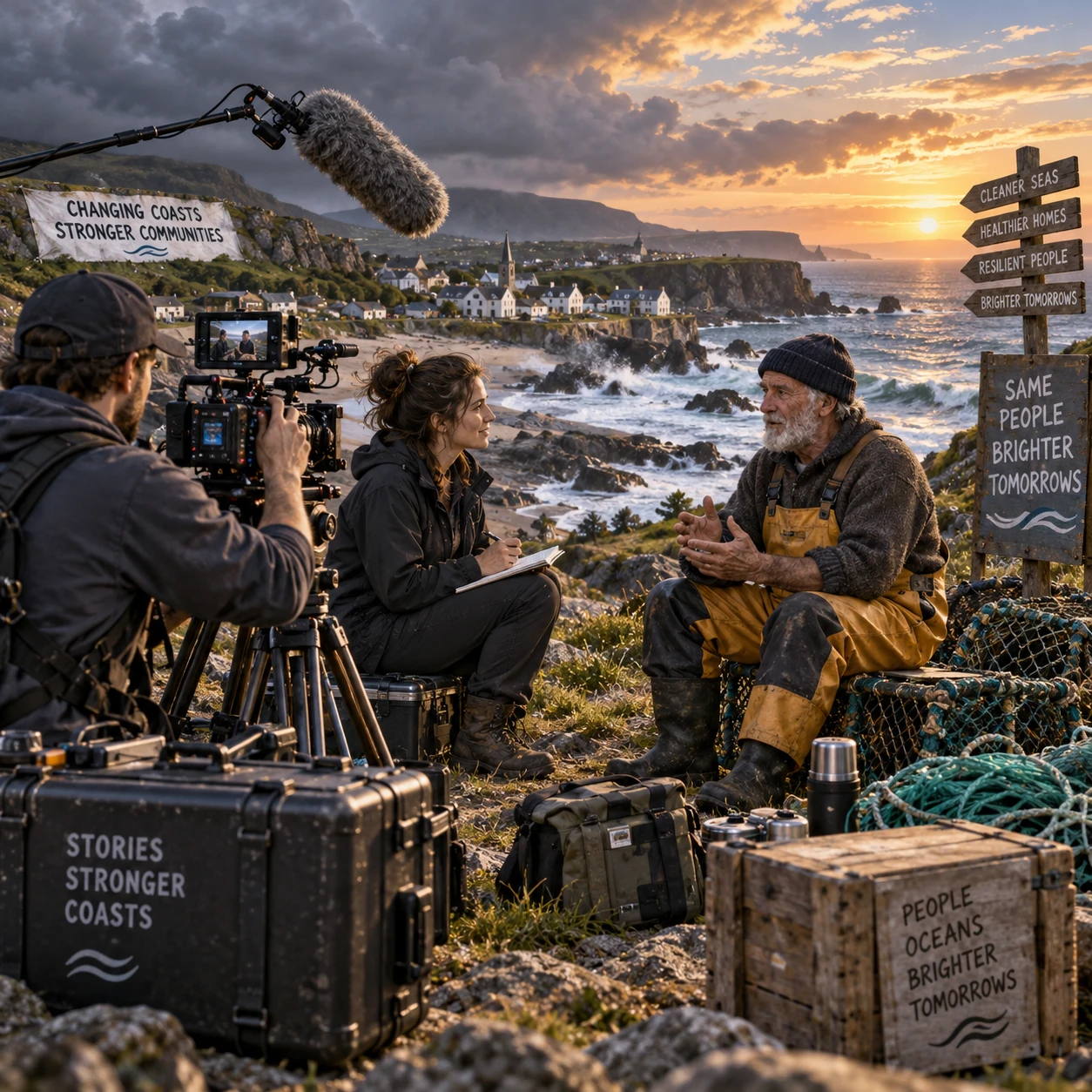
An environmental film can begin with a vast subject: climate change, habitat loss, pollution, or the future of food. The script becomes compelling when it finds a human-scale story inside that complexity. Whether you are making a documentary film or a scripted film, strong environmental storytelling connects a specific place and its people to an issue audiences can understand, question, and feel.
That work continues from the first idea through research, writing, filming, and editing. A festival audience may arrive ready to engage with environmental issues, but it still needs a clear narrative, credible information, and images that stay with it after the screening.
Start with a focused environmental story
To develop a focused environmental story, turn a broad issue into one answerable question rooted in a particular place or human experience. A defined story gives your film direction and helps audiences see why this issue matters now.
“Plastic pollution” is a subject, not yet a narrative. A stronger starting point might ask what happens to fishing livelihoods when discarded plastic gathers in a harbor, or how a neighborhood decides whether to restore a wetland that also serves as valuable land. Each question suggests people, obstacles, and images to investigate.
Use a simple filter before drafting:
- Place: Where can the audience see the environmental issue unfolding?
- Perspective: Whose experience reveals a meaningful part of it?
- Question: What uncertainty, choice, or change will carry the story?
The filter does not require the film to solve the issue. It helps you set a manageable frame and decide what falls outside it. For an environmental film festival, a specific local story can also open onto a wider concern without pretending one community represents everyone.
Build characters, stakes, and conflict
Characters, stakes, and conflict make an environmental film engaging by giving audiences people whose choices are shaped by real consequences. The environmental issue should affect the story, while characters remain more than examples of a problem or spokespeople for a position.
Start with what someone wants, what stands in the way, and what may change if they succeed or fail. A farmer might be weighing a new irrigation method against cost and uncertainty. A young resident might want safer water while facing conflicting information and slow public decisions. Those tensions create character development without forcing a hero-versus-villain plot onto a complicated situation.
Conflict can come from competing needs, scarce resources, incomplete knowledge, or disagreement about what counts as a fair solution. Treat opposing views accurately. A film loses trust when it flattens a person into an obstacle simply because their interests differ from the filmmaker’s.
In documentary film, access and consent matter as the relationship develops. Be clear about the project’s purpose, respect a participant’s boundaries, and avoid promising how the finished film will portray them. In scripted film, make characters specific through behavior and decisions, not only through dialogue explaining the issue. Stakes should be concrete: a home, a livelihood, a species’ habitat, or a community’s ability to influence a decision.
Research the issue and shape the narrative
Research and fact-checking keep an environmental narrative accurate, while narrative structure turns verified information into a story the audience can follow. Begin by learning the issue, then choose which facts are essential to the film’s central question.
Build a research file with reliable scientific sources, public records, local knowledge, and interviews with people who hold different relevant perspectives. Check dates, geographic scope, and uncertainty. A finding about one watershed or study period may not apply everywhere. When experts disagree, identify what they disagree about instead of smoothing the difference into a false consensus.
Next, map the story’s movement. A useful working arc is question, pressure, choice, consequence: introduce the central uncertainty, show what makes it harder, follow a meaningful decision, and reveal what happens next. This is a planning tool, not a formula. Some documentaries rely on observation and resist a tidy resolution; a scripted film may use a more deliberate dramatic structure. Both still need progression.
Separate established facts from interpretation in the script. Mark claims that need a source, and revisit them during editing when new information or footage changes the context. The U.S. Environmental Protection Agency’s environmental topic resources can help orient research on issues it covers, but local data and qualified subject experts may be needed to verify a particular claim.
Let the visuals carry meaning
Visual storytelling makes an environmental film clear by showing changes, relationships, and consequences that exposition alone cannot convey. Look for images that advance the narrative, not simply footage that signals “nature.”
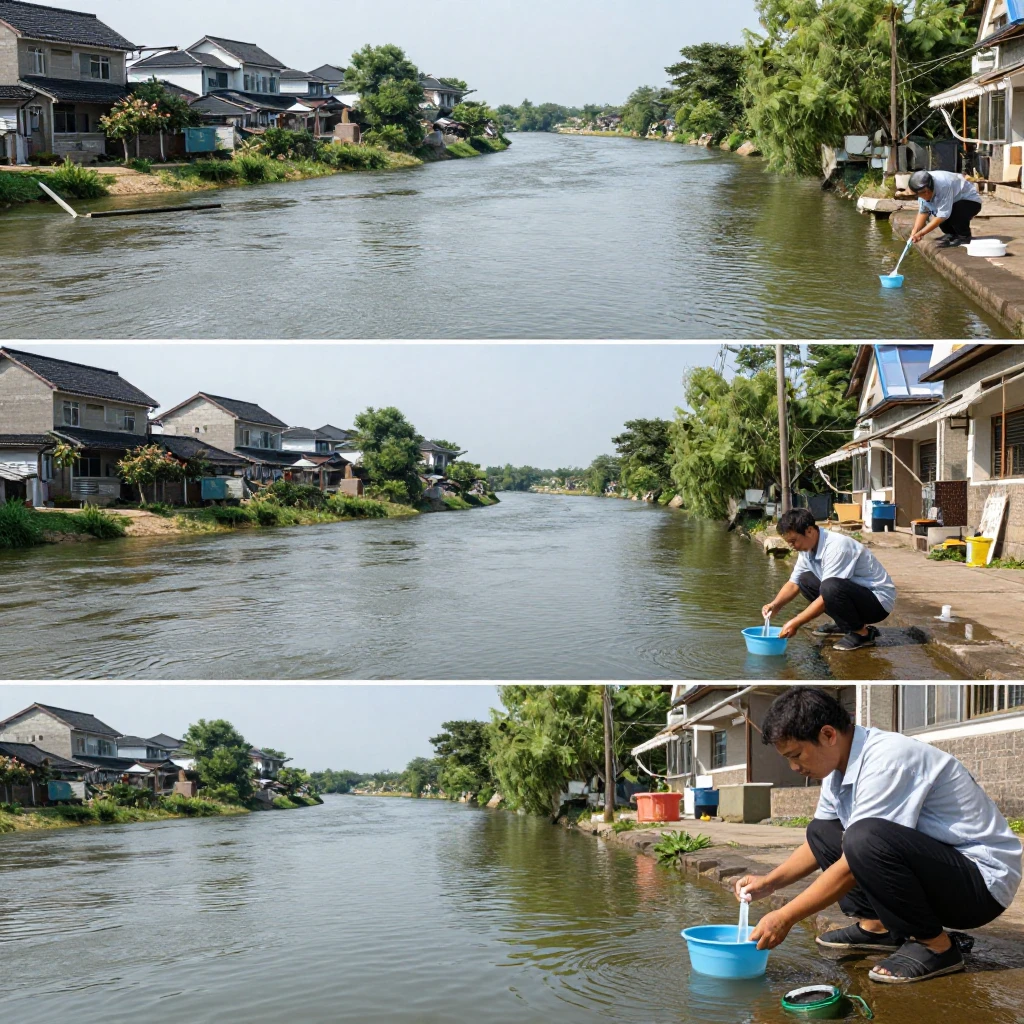
A wide shot may establish where a community sits in relation to a river or industrial site. A repeated view of a shoreline across seasons can make change visible. Close details—a damaged fishing net, a hand testing soil, water moving through a restored channel—can connect an abstract issue to daily life. In scripted film, setting and action can reveal character: who maintains a place, who avoids it, and who is allowed to make decisions there.
Plan visual sequences around what the audience needs to understand. If a film discusses a changing landscape, consider what can be observed directly, what requires archival material, and where a map or graphic would clarify scale. Avoid using dramatic imagery that implies a cause or event the film cannot verify. A beautiful landscape shot may create atmosphere, but it does not automatically explain the environmental issue.
Think about sound as part of the image. Wind, traffic, birds, machinery, and silence can establish a location and shift its emotional tone. The trade-off is practical: a visually rich sequence may take time to observe and capture, while narration or graphics can communicate certain facts more efficiently. Choose the form that serves the story.
Balance urgency with nuance and hope
Balance urgency with nuance by showing the seriousness of an environmental challenge alongside the limits, choices, and people involved. Hope can come from action or clearer understanding; it does not need to arrive as a simple solution or uplifting ending.
Preachiness often appears when a film tells the audience what to think before showing why. Let evidence, character decisions, and consequences build the case. If a character changes their mind, show what led to the shift. If they do not, resist turning that refusal into a shorthand for ignorance.
Nuance does not mean giving every claim equal weight. A well-supported scientific finding should not be presented as merely one opinion among many. At the same time, distinguish the science of an environmental issue from debates over policy, cost, responsibility, or local priorities. Those are related questions, but they are not interchangeable.
Consider where the film leaves the audience. A conclusion may offer a next step, reveal an unresolved choice, or return to an image whose meaning has changed. Urgency comes from specificity: viewers are more likely to grasp what is at stake when they see who is affected and what could happen, rather than hearing a string of escalating warnings.
Revise with the finished film in mind
Revise an environmental film script with the finished film in mind by checking whether each scene can be produced, understood, and felt on screen. Read for story, then test the draft against likely footage, sound, timing, and audience response.
For documentary, treat the script as a flexible structure rather than a promise that life will follow the outline. Access may change, events may unfold differently, and interviews may complicate the original idea. Keep the central question visible while updating the narrative to fit what the reporting actually reveals. For scripted film, assess whether scenes dramatize conflict or merely explain it.
A practical revision pass can ask:
- Does each scene change what the audience knows, feels, or expects?
- Can viewers follow unfamiliar terms without a lecture?
- Are claims supported, qualified, and placed in the right context?
- Does the ending reflect what the story can honestly establish?
Then consider pacing. Cut repeated explanations before cutting a quiet moment that gives a character or place room to register. For an environmental film festival audience, a film may sit among stories on related subjects, so a distinct point of view matters. Test the cut with viewers who know the issue and those encountering it for the first time. Their questions can reveal confusion, missing context, or a scene that carries more meaning than the script anticipated.
From script to screen, the strongest environmental narratives pair a focused question with credible research, human stakes, and deliberate visual choices. Keep revising until the issue is clear, the characters remain fully human, and the film earns the audience’s attention rather than demanding it.