The Role of Film Festivals in Amplifying Marginalized Environmental Voices
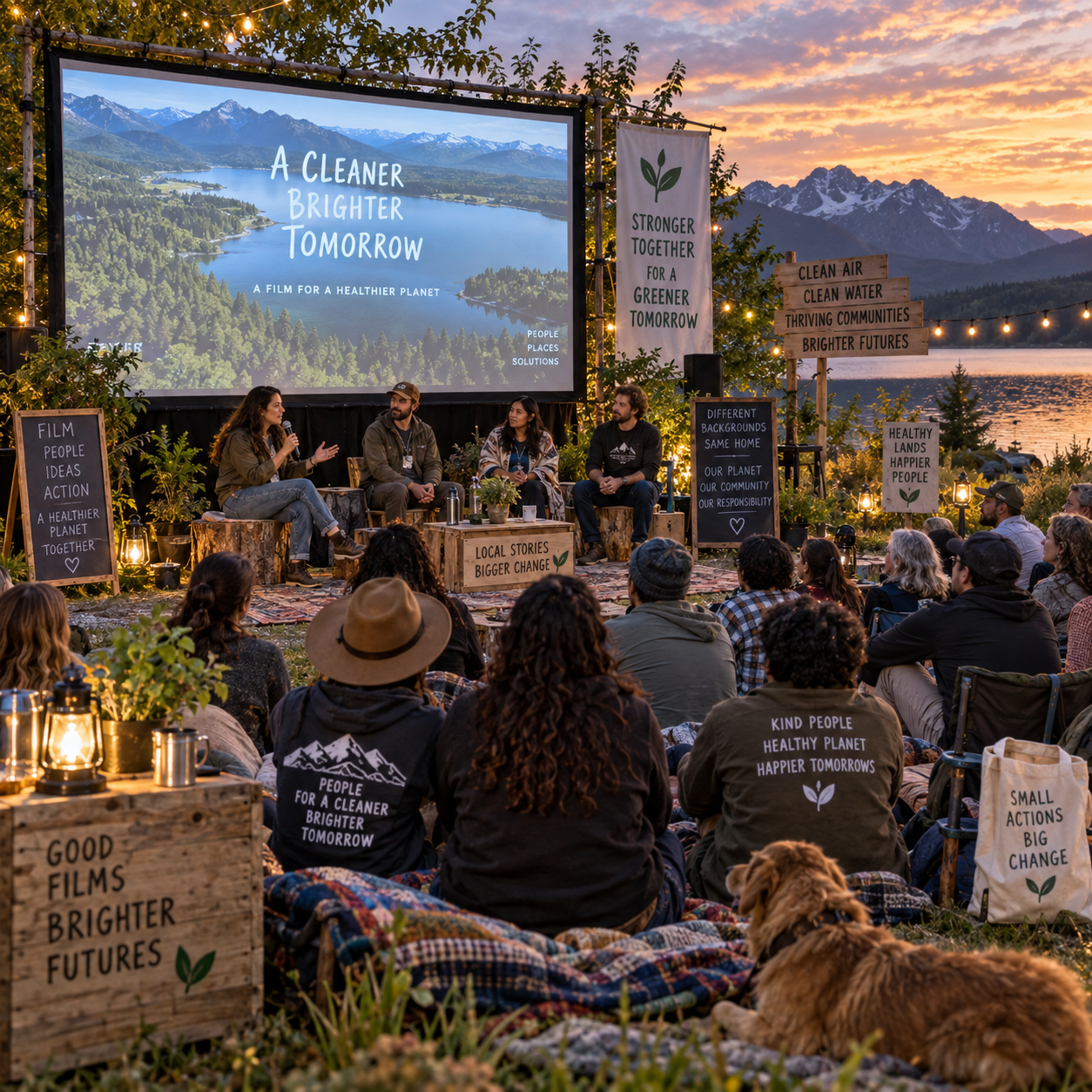
Environmental film festivals can bring stories of pollution, climate change, land stewardship, and survival to audiences who might not encounter them in mainstream media. Their influence depends on more than showing a film: who selects the program, whose knowledge shapes the story, and what happens after the credits all matter.
When festivals make room for marginalized communities to speak on their own terms, documentary filmmaking can widen public understanding of environmental justice. When they do not, even a well-intentioned screening can reduce complex lives to a single issue or a brief moment of visibility.
Who gets heard in environmental storytelling?
Marginalized environmental voices are perspectives often excluded from decisions and media coverage about environmental harm, land, and resources. These may include Indigenous peoples, low-income neighborhoods, communities of color, migrants, rural residents, and people whose livelihoods or health are directly affected by pollution and climate disruption.
These groups are not interchangeable, and no community has one shared viewpoint. A fishing community facing industrial runoff, for example, may include residents who organize against pollution, people employed by the industry, and families concerned about both health and jobs. Environmental storytelling is more accurate when it makes room for such differences.
Representation in media matters because it shapes which problems audiences recognize and whose expertise they trust. Reporting may describe a place as a disaster zone while overlooking residents’ organizing, cultural ties, or practical knowledge. Indigenous knowledge, in particular, can offer histories of land and water care that are absent from official records, though its use should be guided by the people who hold it.
Film festivals can help shift that frame. They can treat affected communities as people with agency, knowledge, and competing priorities, rather than as symbols of suffering or scenery for an environmental argument.
How festivals create space for underrepresented stories
Environmental film festivals create space through deliberate programming, accessible screenings, and support for filmmakers whose work may struggle to reach commercial distributors. Curation is the first decision point: the films selected determine which environmental questions audiences are invited to see.
Programmers can seek out community-led storytelling, films made in local languages, and documentaries that follow a story beyond a single crisis. They can also provide context in program notes, pair films that present distinct perspectives, and avoid implying that one film represents an entire people or region.
Support often needs to start before a finished film arrives. Festivals may offer development labs, mentorship, equipment access, travel assistance, or small production grants. These resources can help independent documentary filmmakers complete and circulate work, although they cannot replace long-term funding or local control over distribution.
Access shapes who can participate, too. Subtitles, captioning, audio description, low-cost tickets, childcare, and screenings outside major city centers can make festival programming available to more people. Organizers can also invite local groups to recommend films and help shape the event, rather than treating community outreach as a publicity task after selections are final.
A useful programming test is simple: Who made this film, who is represented, and who has the power to frame its meaning? The answers do not automatically determine whether a film belongs in a program. They do help organizers identify where context, consent, or a different format of engagement may be needed.
From the screen to shared conversation
Post-screening discussions help audiences connect a film’s story to its local context and hear directly from people involved in the work. Q&As, panels, and community partnerships can deepen a screening, provided they give participants real choice and do not turn personal experience into a public obligation.
A filmmaker Q&A might explain how a documentary was made and what ethical decisions shaped it. A panel that includes residents, organizers, researchers, or Indigenous knowledge holders can add perspectives that the film itself cannot cover. The format should leave room for disagreement and avoid asking one speaker to explain an entire community.
Good facilitation makes a difference. Moderators can share discussion questions in advance, establish respectful ground rules, and prevent audiences from directing intrusive or accusatory questions at people who have experienced harm. Speakers should know the topic, format, recording arrangements, and honorarium before agreeing to participate.
Community partnerships can extend the conversation beyond the theater. A festival might work with a local environmental justice group, library, school, or tribal organization to host a screening, suggest a facilitator, or connect attendees with relevant public meetings and resources. Partnerships are stronger when organizations help shape the event and receive appropriate compensation, rather than simply lending their names.
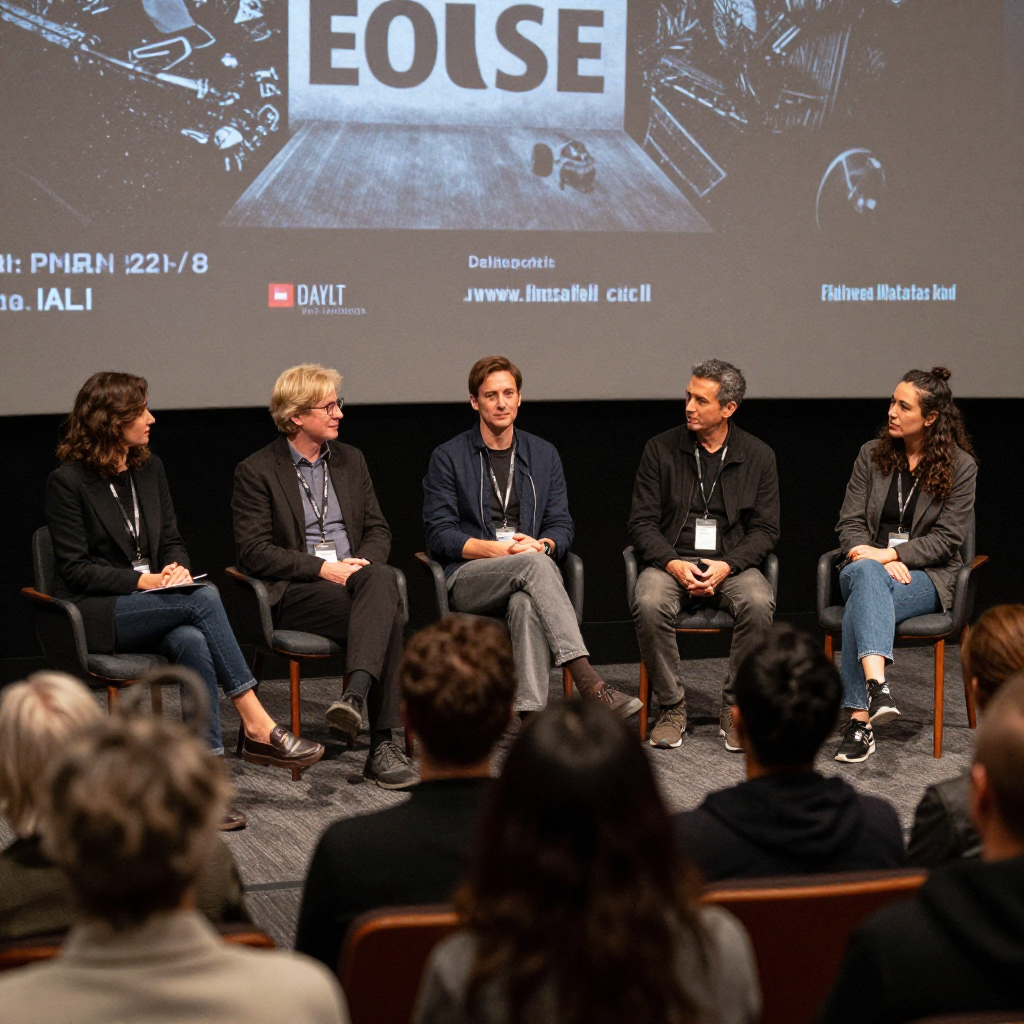
These discussions have limits. A short panel cannot resolve a conflict over land or replace sustained community organizing. Its value is more modest and more practical: it can surface questions, make relationships, and point viewers toward informed next steps.
When visibility can lead to action
Environmental storytelling can build awareness, connection, and support for environmental justice by helping audiences understand how environmental decisions affect people’s daily lives. A film may make an abstract issue tangible, but visibility alone does not guarantee policy change or community benefit.
A documentary can show how an industrial site, flood risk, or changing ecosystem intersects with health, housing, work, and cultural practice. Viewers may recognize a problem they had not considered, learn which groups are already responding, or discover that a familiar environmental issue looks different from the perspective of those living with it.
Festivals can make a screening more useful by connecting it to a specific, voluntary route for engagement. Depending on the film and local context, that might include a discussion with a community organization, a public meeting, an educational resource, or a campaign that residents themselves have chosen to share. The festival should describe these opportunities accurately and avoid presenting attendance as a substitute for action.
There is also a risk in defining success only through audience numbers or press coverage. A smaller event that builds trust with a local group may be more valuable than a high-profile screening that offers little follow-up. Organizers can assess outcomes with community partners: Was the event useful? Did participants feel accurately represented? Were promised resources or compensation delivered?
Influence is possible, not automatic. Film can open a door to attention and conversation; durable advocacy usually involves relationships, organizing, resources, and decisions made well beyond the festival schedule.
Challenges festivals need to address
Festivals face challenges when they pursue representation without sharing power, providing access, or respecting the communities whose stories appear on screen. Good intentions do not prevent tokenism or extractive storytelling; organizers need clear practices and accountability.
Tokenism and single-story programming
One film or speaker cannot stand in for a diverse community. A program that includes a single Indigenous film, for instance, may create the appearance of inclusion while leaving no space for different nations, languages, or views. Festivals can avoid this by building a varied program and being precise about what each work represents.
Extractive storytelling and consent
A film can benefit distributors or festival brands while people featured in it receive little control, compensation, or ongoing say. Organizers should ask filmmakers about consent, access, community review, and plans for distribution. No checklist can settle every ethical question, but transparency helps audiences understand how a work was made.
Access and decision-making
Travel costs, ticket prices, inaccessible venues, and language barriers can keep the people most connected to a film from attending. Programming committees also shape representation: if community perspectives are absent from selection and event planning, important context may be missed. Fees, access services, and community consultation require time and money, so festivals should plan for them early rather than treating them as optional extras.
Building more inclusive environmental festivals
Inclusive environmental festivals share decision-making, reduce practical barriers, and connect film screenings to respectful, sustained engagement. Organizers, filmmakers, and audiences each have a role, though responsibility should not fall mainly on the communities whose stories are being told.
- For organizers: Invite community partners into programming and event design early. Budget for speaker honoraria, travel, translation, captioning, and accessible venues. Explain how films were selected, and offer a clear way to raise concerns.
- For filmmakers: Be candid about who shaped the story, what consent means in practice, and how you will handle future screenings or distribution. Build relationships beyond production, and do not promise community review or control unless those commitments are real.
- For audiences: Listen without treating one speaker as a spokesperson for everyone. Use festival resources to learn about local groups and ongoing issues. If you want to help, follow the priorities set by affected communities rather than assuming what they need.
Organizers can also review a festival through three practical questions: Who decides? Who can attend? What continues afterward? The first tests whether programming and discussion involve shared authority. The second reveals barriers such as cost, language, and disability access. The third checks whether the event offers meaningful follow-up without overstating what a screening can accomplish.
Environmental film festivals are most useful when they treat visibility as a beginning, not proof of impact. By centering community-led storytelling, respecting Indigenous knowledge, and making space for honest dialogue, they can help more people encounter environmental realities on the terms of those who know them best.