The Impact of Cinematography: Visualizing Climate Change’s Effects on Screen
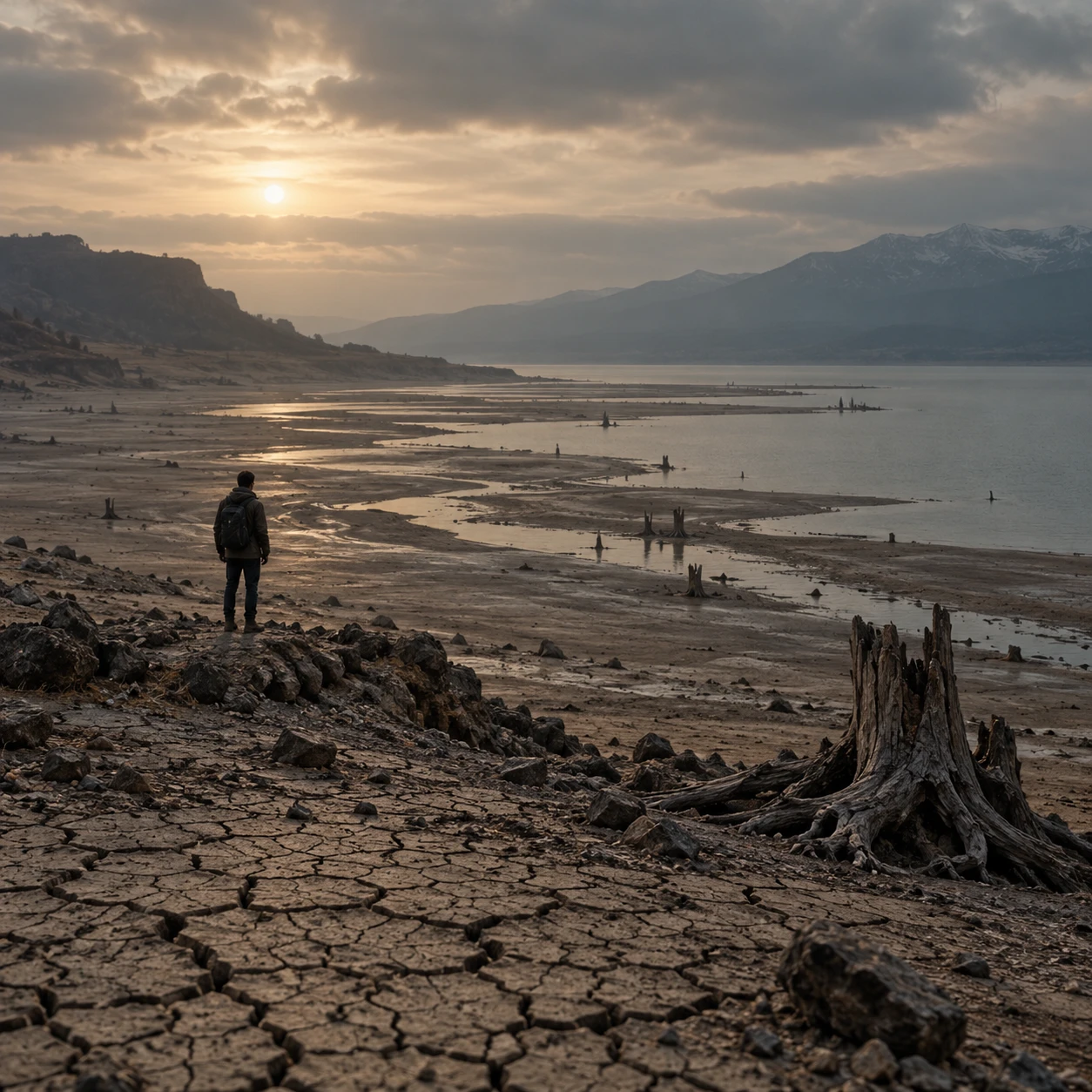
Climate change unfolds over decades, across immense landscapes and in small shifts that can be hard to notice from day to day. Cinematography gives those changes a visible form. Through camera framing, movement, color, lighting, and scale, filmmakers guide what audiences notice and how they understand the relationship between people and the environment.
For an environmental film festival, that visual language is a starting point for conversation. A striking image can open a door, but its meaning depends on context: what the camera shows, what it leaves out, and whose experience is centered.
Why Climate Change Needs a Visual Language
Cinematography makes gradual climate change easier to perceive by turning long-term shifts into specific, observable scenes. Images can connect data and distant impacts to places, people, and ecosystems that viewers can recognize.
A single shot of a dry reservoir may suggest scarcity, but it cannot explain whether the water level is unusual, how it changed, or what caused it. Climate communication becomes clearer when visuals are paired with time, location, and evidence. A repeated view of the same coast across several seasons, for example, can make erosion legible in a way that a dramatic but context-free shot cannot.
Visual storytelling also shapes audience perception through attention. A wide frame may emphasize the reach of a wildfire, while a close-up can focus on a damaged crop or a person’s careful use of water. Neither is inherently more truthful. Each answers a different question, and each can leave out other parts of the story.
That limitation is useful to recognize. Images can make an abstract issue feel concrete, but they do not replace climate science or explain every cause and consequence. Strong environmental film combines visual evidence with careful context, allowing viewers to understand both what they see and what remains outside the frame.
Cinematic Techniques That Show Environmental Change
Framing, camera movement, light, color, and scale shape how a climate scene feels and what it communicates. These choices can reveal change, but they can also make a scene seem more certain or dramatic than the evidence supports.
Camera framing determines the relationship between a subject and its surroundings. A wide shot can show a settlement beside a floodplain, making exposure visible; a close-up of a cracked seedling can bring attention to vulnerability. Leaving people out may make environmental damage look remote, while centering them can show how impacts are lived. The choice should follow the story, not a formula.
Movement adds another layer. A slow, steady pan across a retreating shoreline gives viewers time to study the landscape. Handheld footage may create immediacy during an evacuation, though excessive motion can distract or heighten tension beyond what the scene warrants. A locked-off camera can be just as expressive: changes in a fixed frame let the land itself become the action.
Color and lighting influence mood and perceived conditions. Haze, low-contrast light, or a restrained palette can convey smoke or drought, but heavy grading may imply a level of heat or devastation not present in the original scene. Time-lapse can make slow processes visible, yet it compresses time and should be identified as such. Choices like these work best when the film gives viewers enough information to distinguish observation from interpretation.
From Vast Landscapes to Human Consequences
Effective climate cinematography connects landscape imagery to human and ecological consequences. Wide views establish the scale of change; close attention to daily life shows what that change means in a particular place.
Aerial footage of a shrinking wetland can reveal patterns that are difficult to see from the ground. But the image gains depth when the film also shows the wetland’s role in local livelihoods, wildlife habitat, or flood protection. Likewise, a wildfire’s broad horizon may communicate scale, while a shot of a community preparing for evacuation brings the risk into everyday terms.
This movement between scales is a practical storytelling framework: begin with place, show the change, then follow its consequences. It helps audiences connect a visible environmental shift to the systems and lives around it. The sequence need not be linear; a film might open with a person’s experience, then widen to reveal the landscape that shapes it.
Care matters here. Communities should not appear only as victims or as dramatic background for landscape imagery. Documentary filmmaking can make room for local knowledge, agency, and disagreement, while showing how impacts vary by location and resources. Ecosystems also deserve attention as living systems rather than scenery. A camera can hold on damaged habitat, but the story should clarify what has changed and why it matters.
Documentary and Narrative Approaches
Documentary filmmaking usually presents climate change through observed places and testimony, while narrative films use characters and imagined situations to explore its effects. Both approaches can make environmental change vivid, but each has distinct responsibilities to context and plausibility.
Documentaries may combine interviews, field footage, archival images, satellite views, and scientific explanation. Their visual authority can be powerful, so filmmakers should distinguish direct observation from animation, reconstruction, and time-lapse. Showing when and where footage was made helps viewers judge what it can support. Expert testimony adds context, but it should not be used to imply certainty where evidence is limited.
Fiction can make climate pressures part of a character’s world: a changing growing season, a disrupted journey, or difficult decisions after a storm. It can explore how people respond without claiming to document a specific event. The trade-off is that fictional images may be mistaken for predictions or current conditions if the film blurs that boundary.
At a festival screening, pairing these forms can be especially productive. A documentary may ground a conversation in specific evidence, while a narrative film can invite viewers to consider choices, relationships, and possible futures. Neither format should carry the whole burden of climate communication alone.
Creating Impact Without Sensationalism
Climate films balance emotional impact with accuracy by showing real conditions in context and making their visual methods clear. Sensational images can attract attention, but spectacle may obscure causes, consequences, or the people most affected.
Before using a dramatic shot, filmmakers can ask three questions: Is the image representative of the event or place? Does the edit preserve its timing and context? Can viewers tell whether it is recorded footage, archival material, or a reconstruction? These checks help prevent a storm surge from being presented as typical when it was exceptional, or a digitally altered landscape from appearing observational.
Common pitfalls include:
- Using disaster footage without context. The intensity of a scene can stand in for explanation. Identify the place and event, and clarify what the footage does and does not demonstrate.
- Applying visual effects without disclosure. A composite or altered image can mislead when presented as documentary evidence. Label illustrative material clearly.
- Reducing people to symbols of suffering. This may create an emotional response while flattening lived experience. Include voices, decisions, and local perspectives where possible.
Accuracy does not require emotional distance. A carefully observed scene can be moving precisely because it lets viewers see details and draw connections, rather than telling them what to feel. The aim is not to make every image neutral; it is to make the film’s choices honest and its claims proportionate to the evidence.
What Effective Climate Cinematography Can Leave with Audiences
Effective climate cinematography can leave audiences with a clearer sense of place, change, and human connection. It may encourage reflection or discussion, but images alone cannot guarantee a response or solve climate change.
A useful image gives viewers something to consider after the screening: how a landscape has shifted, whose lives are affected, or what information they need to understand the scene. Pairing a powerful sequence with a filmmaker discussion, community perspective, or reliable sources can extend that reflection without prescribing one response for every viewer.
For filmmakers, the practical test is straightforward: can the audience tell what has changed, where it happened, and why the image matters? If a scene raises those questions honestly, it has done meaningful work. If it depends on shock while hiding context, its emotional force may be brief and its message harder to trust.
At an environmental film festival, that distinction is worth discussing. Cinematography can help make climate change visible and emotionally legible, while accuracy, humility, and context keep the image connected to the world it represents.